
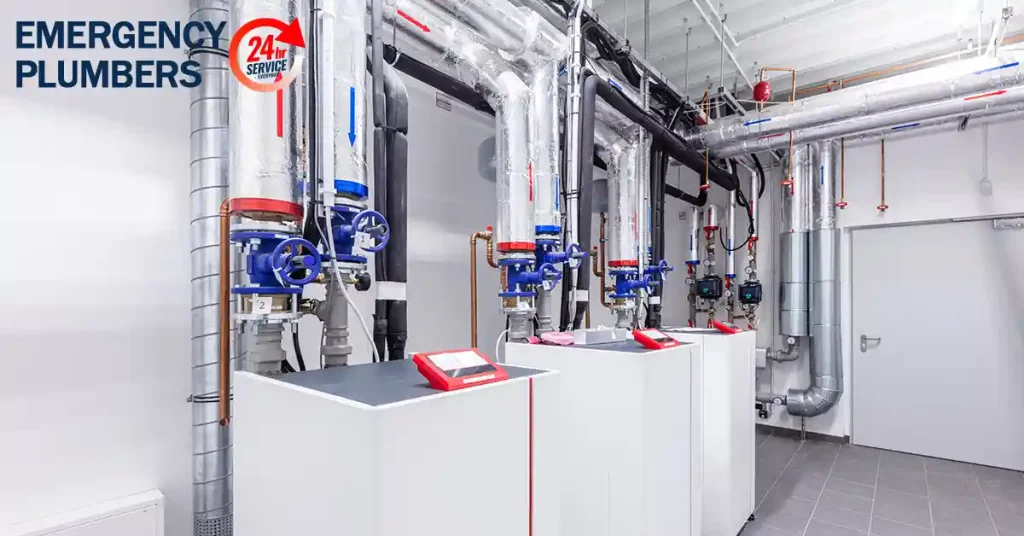
Selecting the Right Commercial Hot Water System
Hot water systems are critical components in commercial settings, ensuring businesses can maintain operations and provide a comfortable environment for employees and customers. Whether it’s for a restaurant, hotel, hospital, or industrial facility, having a reliable hot water system is essential.
Therefore, investing in a suitable commercial hot water system is not only wise, but also critical to your business operations and profitability. Call Best Plumbers Perth at (08) 7099 0536 today for assistance in assessment, recommendation and installation services.
This guide will walk you through the key considerations and steps involved in installing a commercial hot water system.
Understanding Your Hot Water Needs
Before diving into the installation process, it’s crucial to assess your hot water needs. Different businesses have varying requirements based on aspects such as their operations, number of employees, and customers. For instance, a commercial kitchen will need a continuous supply of hot water for cooking and cleaning, whereas a hotel will require hot water for guest rooms, laundry, and spa facilities.
- Peak Demand: Calculate the peak demand for hot water. This involves determining the maximum amount of hot water needed during the busiest times of the day.
- Flow Rate: Consider the flow rate, which is the volume of hot water needed per minute. This is particularly important for facilities with multiple points of use.
- Energy Efficiency: Look for energy-efficient systems that can reduce operational costs and environmental impact. Consider options like solar hot water systems or heat pump water heaters.
Choosing the Right Hot Water System
There are several types of hot water systems suitable for commercial use. The choice depends on your specific needs, budget, and environmental considerations.
- Storage Water Heaters: These systems, the traditional and widely used option, store a large volume of hot water in an insulated tank and are ideal for businesses with high but infrequent hot water demand. They are relatively easy to install and maintain and are available in electric, gas, or solar-powered variants.
- Continuous Flow Water Heaters (Tankless): Also known as tankless systems, these provide hot water on demand, eliminating the need for a storage tank. They are suitable for businesses with a consistent or high need for hot water. They are energy-efficient and take up less space.
- Solar Water Heaters: For environmentally conscious businesses, solar hot water systems are an excellent choice. These systems use solar panels to heat water, reducing energy costs and carbon footprints. They often work in conjunction with a backup gas or electric water heater for cloudy days or periods of high demand. Although they can significantly reduce energy costs, they do require a higher upfront investment.
- Heat Pump Water Heaters: Heat pump water heaters are a relatively new and energy-efficient option for commercial applications. These systems extract heat from the air to heat water and are highly energy-efficient, eco-friendly , and cost-effective. They work well in moderate climates like many parts of Australia.
Planning the Installation
Proper planning is crucial to ensure a smooth installation process. This involves several steps, from selecting the right location to ensuring compliance with local regulations.
- Site Assessment: Conduct a thorough assessment of the installation site. Factors such as the location of the system, piping layouts, and potential modifications to your building’s infrastructure will need to be considered. Ensure there is adequate space for the system and that it is easily accessible for maintenance. Professional installers like Best Plumbers Perth can ensure that the system is properly sized, installed, and configured for optimal performance and efficiency.
- Regulatory Compliance: Ensure that the installation complies with local building codes and regulations. In Australia, this includes adhering to standards set by the Australian Building Codes Board (ABCB) and the relevant state or territory regulations.
- Safety: Additionally, safety should be a top priority during the installation process. Proper ventilation, gas line connections (if applicable), and electrical wiring must be handled by qualified professionals to mitigate risks and ensure the system operates safely.
- Budgeting: Prepare a detailed budget that includes the cost of the system, installation, and ongoing maintenance. Factor in potential savings from energy-efficient systems.
Installation Process
The installation process varies depending on the type of hot water system chosen. Here are the general steps involved:
- Preparation: Ensure the site is ready for installation. This includes clearing the area, ensuring proper ventilation, and making any necessary modifications to the existing plumbing and electrical systems.
- Mounting the System: For storage water heaters, this involves securing the tank in place. For continuous flow systems, the units are typically wall-mounted.
- Connecting the Plumbing: Connect the system to the existing water supply and ensure all connections are secure and leak-free.
- Electrical Connections: If the system is electric, connect it to the power supply. For gas systems, ensure proper ventilation and safe gas connections.
- Testing and Commissioning: Once installed, test the system to ensure it operates correctly. Check for leaks, ensure the temperature is consistent, and verify that all safety features are functioning.
Maintenance and Troubleshooting
Regular maintenance is essential to keep your commercial hot water system running efficiently. Manufacturers typically provide maintenance guidelines, and it’s advisable to schedule routine inspections and servicing with qualified technicians. This includes:
- Routine Inspections: Schedule regular inspections to check for signs of wear and tear, leaks, and other potential issues.
- Cleaning: Keep the system clean, especially if you have a storage tank, to prevent sediment build-up.
- Professional Servicing: Engage a professional for annual servicing to ensure all components are in good working order.
If issues arise, troubleshooting steps include checking the power supply, ensuring the thermostat is set correctly, and inspecting for any blockages in the system.
Conclusion
Installing a commercial hot water system requires careful planning, understanding your specific needs, and choosing the right type of system. By following these guidelines and ensuring regular maintenance, you can ensure a reliable and efficient supply of hot water for your business, contributing to smoother operations and potential cost savings.
For more detailed advice tailored to your specific circumstances, contact Best Plumbers Perth at (08) 7099 0536. We can provide expert guidance and support throughout the process.


